How Long Does Postpartum Depression Last in New Moms?
Key Highlights
Postpartum depression (PPD) is a form of clinical depression that can begin after childbirth, with symptoms lasting for months or even years if left untreated.
PPD is different from the "baby blues," which are milder, affect up to 75% of new mothers, and typically resolve within two weeks.
The duration of postpartum depression varies, with some cases resolving in 3 to 6 months, while others can persist for years.
Factors like symptom severity, personal history of depression, and social support can influence how long PPD lasts.
Treatment, including therapy and medication, is often necessary and can significantly shorten the recovery period.

How long does postpartum depression last?
Welcoming a new baby is often pictured as a joyful time, but for many new mothers, the postpartum period can be challenging. If you're experiencing feelings of sadness and anxiety that go beyond the typical "baby blues," you might be dealing with postpartum depression or a more serious condition known as postpartum psychosis. It's a common and treatable condition, but it's natural to wonder how long these feelings will last.
This guide will explore the duration of postpartum depression, the factors that influence it, and the paths to recovery, helping you understand what to expect.
Understanding Postpartum Depression
Postpartum depression is a serious mental health issue that affects many parents after having a baby. It's more than just moodiness; it involves significant depressive symptoms that can interfere with your daily life and your ability to care for your baby. Understanding what it is and how it differs from the more common "baby blues" is the first step toward getting the help you need.
Let's take a closer look at what defines this condition and how to recognize it. Exploring these details can help you identify if what you're feeling requires professional support.
What Is Postpartum Depression?
Postpartum depression (PPD) is a type of clinical depression that occurs after childbirth. Affecting up to 1 in 57 women, this condition is a significant concern for women's health. It can develop within the first few weeks after your baby's birth or even up to a year later. Unlike the fleeting sadness many new mothers experience, PPD involves more intense and persistent symptoms of a type of depression known as postpartum depression.
You might feel extreme sadness, hopelessness, or severe mood swings. These feelings can make it difficult to care for yourself or your baby. It's important to remember that PPD is a medical condition, not a sign of weakness or a character flaw. It's caused by a combination of hormonal changes, physical exhaustion, a lack of sleep, and the psychological adjustments of the postpartum period.
While some cases resolve within 3 to 6 months, postpartum depression can last much longer, even for years, especially without treatment. Seeking help is crucial for your well-being and allows you to better navigate this challenging time.
How Postpartum Depression Differs from the Baby Blues
It's common to confuse the baby blues with postpartum depression, but they are quite different. The baby blues are very common, affecting up to 3 in 4 new moms during the postpartum period. You might experience mood swings, frequent crying, and anxiety, but these feelings are generally mild and come and go.
The key difference lies in the duration and severity. Baby blues typically begin a few days after delivery and resolve on their own within one to two weeks. Postpartum depression, on the other hand, involves more severe and persistent symptoms of depression that interfere with your daily life.
Consider these distinctions:
Baby Blues: Lasts up to two weeks, with milder, fluctuating symptoms.
Postpartum Depression: Can last for months or even years, with intense, persistent symptoms that impact daily functioning.
If your feelings of sadness and anxiety don't fade after two weeks, it's a sign you may be dealing with postpartum depression. It should speak with a Postpartum Depression and Anxiety Therapist.
Onset and Duration of Symptoms
Postpartum depression doesn't follow a strict timeline for everyone. The onset of symptoms can happen at different points after childbirth, from the first few weeks to many months later. Understanding when postpartum depressive symptoms might appear and how long they can stick around is important for recognizing the serious medical condition and seeking timely support.
Knowing the typical patterns can help you and your loved ones identify when what you're experiencing is more than just the initial adjustment period. Let's examine when symptoms usually begin and their potential duration.
When Do Postpartum Depressive Symptoms Typically Start?
Postpartum depressive symptoms can emerge at any time within the first year after the birth of a baby, including thoughts of suicide. While it’s common for symptoms to begin within the first four to six weeks postpartum, they don't always appear right away. Some parents might feel fine initially and then notice symptoms developing gradually months later.
In fact, some studies show that a significant number of women develop symptoms later in the postpartum year. One study found that over half of women with depressive symptoms at 9-10 months postpartum did not report symptoms earlier, at 2-6 months. This highlights the importance of ongoing mental health screening, such as using the Edinburgh Postnatal Depression Scale throughout the first year.
These symptoms can persist for a long time if not addressed. Early detection allows for intervention that can help manage your mental health and shorten the duration of the depressive episode, improving your experience as a new parent.
How Long Does Postpartum Depression Usually Last After Childbirth?
There is no single answer for how long postpartum depression lasts, as its duration varies for each person. For some, symptoms may improve within 3 to 6 months with appropriate treatment and support. This timeline often depends on when the condition is diagnosed and when treatment begins.
However, for others, postpartum depression can become a long-term issue.
A 2020 study revealed that 25% of participants still had elevated depressive symptoms three years after giving birth. This suggests that for a notable portion of parents, PPD can be a chronic or persistent mental health condition that extends well beyond the first year, underscoring the need for recommendations from the American Academy of Pediatrics for effective management and support.
The journey through PPD is unique to each individual. Without treatment, the condition can linger for months or even years, affecting your well-being and family life. This is why recognizing the signs and seeking professional help is so critical to recovery.
Factors Influencing the Length of Postpartum Depression

The duration of postpartum depression isn't the same for everyone. Several influencing factors can affect how long you experience symptoms. These can range from the intensity of your symptoms to your personal life circumstances and medical history. Understanding what might make PPD last longer can empower you to seek the right kind of support.
Let's explore some of the key elements that play a role in the length of this challenging condition, including individual differences and external support systems.
Role of Severity and Individual Differences
The severity of your symptoms plays a significant role in how long postpartum depression may last, influencing the trajectories of maternal postpartum depressive symptoms.
If you experience more intense feelings of sadness, anxiety, or hopelessness, your recovery journey might be longer. More severe symptoms can be more disruptive to daily life, making it harder to engage in activities that support healing, like self-care and bonding with your baby.
Individual differences are also a major factor. Your unique biology, psychological makeup, and life experiences all contribute to how you experience and recover from postpartum depression. What works for one person may not work for another, and recovery timelines can vary widely based on these personal characteristics.
Ultimately, a more severe presentation of PPD often requires a more intensive or prolonged treatment plan. Getting a proper diagnosis and treatment that is tailored to the severity of your symptoms is key to shortening the duration of the condition and starting on the path to feeling like yourself again.
Impact of Personal, Social, and Medical Factors
A variety of personal, social, and medical factors can influence how long your postpartum depression lasts. Having a strong social support network of friends and family, as emphasized by the American College of Obstetricians, can be a protective factor, while marital conflict or feeling isolated can make recovery more difficult.
Certain medical and personal factors also increase the risk for a longer duration of PPD. Speaking with a mental health provider can help you identify your specific risk factors and create a plan to address them.
Some of these influencing factors include:
A personal or family history of depression or other mental health conditions.
Limited social support or relationship conflict.
Financial stress or having a low socioeconomic status.
A history of prior depression is a particularly strong predictor. One study found that women with a history of depression were four times more likely to experience postpartum depressive symptoms late in the postpartum year.
Chronic vs. Short-Term Postpartum Depression

Postpartum depression can manifest as a short-term struggle for some, while for others, it can evolve into a chronic condition. While many cases resolve within several months with treatment, it's important to consider treatment options when symptoms linger longer than expected. Differentiating between a shorter episode and a more persistent form of depression is key to getting the right level of care.
Let's look at the possibility of PPD lasting for years and the signs that may indicate your experience is becoming more of a long-term challenge.
Can Postpartum Depression Last for Years Instead of Months?
Yes, postpartum depression can absolutely last for years. While many people associate PPD with the first year after childbirth, research shows that a significant number of individuals continue to experience symptoms for a long time.
One study found that a quarter of participants had depressive symptoms three years postpartum, highlighting that the postpartum depression experience isn't always short-lived.
This extended duration can be influenced by several factors. For some, PPD may transition into a chronic depressive disorder if left untreated or if treatment is not fully effective. The journey is different for everyone, and it's okay if your recovery takes longer than you expected.
Factors such as a history of mood disorders can contribute to longer-term symptoms. Here's a look at how PPD symptoms can track over time for different groups.
Symptom Trajectory | Characteristics |
Low/Stable | Consistently low depressive symptoms throughout postpartum. |
Mild/Increasing | Symptoms start mild and increase over 3 years. |
Moderate/Decreasing | Symptoms are present early on but improve over time. |
High/Persistent | Consistently high depressive symptoms over 3 years postpartum. |
Signs That Postpartum Depression May Be Lasting Longer Than Expected
It can be hard to know if what you're feeling is part of a "normal" recovery timeline or a sign of a more persistent problem. If your initial treatment doesn't seem to be working or your symptoms return after a period of feeling better, it could indicate your PPD is lasting longer than expected. Paying attention to these lasting symptoms is crucial for your long-term mental health.
One of the key signs of postpartum depression becoming a longer-term issue is the persistence of intense feelings of sadness, anxiety, or hopelessness. If these feelings don't lessen over several months, even with treatment, it's a red flag.
Other signs that your PPD may be lasting longer include:
Symptoms that continue to interfere with your ability to function in daily life.
Difficulty bonding with your baby that does not improve over time.
Feeling like your symptoms are worsening or not responding to your current treatment plan.
If you notice these signs, it's important to talk with your healthcare provider about adjusting your treatment.
Treatment and Recovery Paths
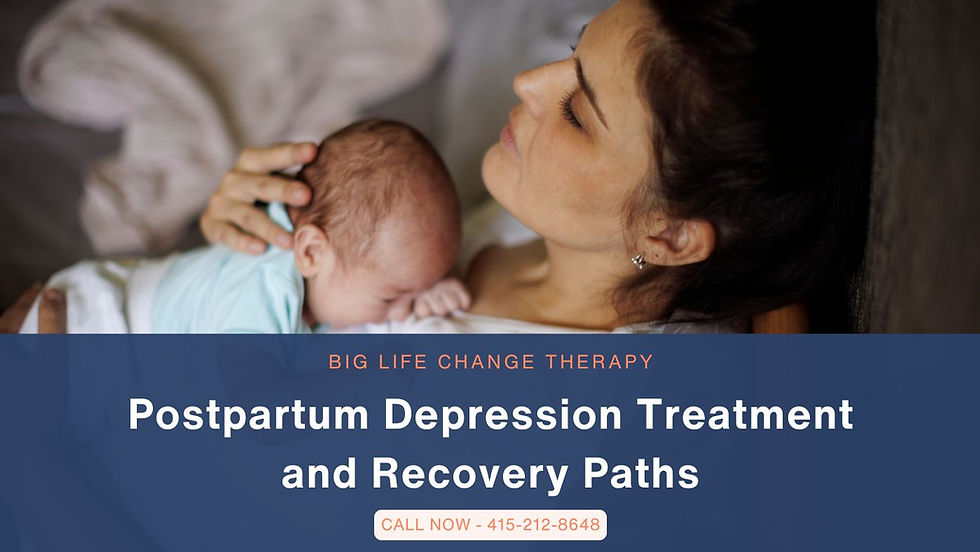
The path to recovery from postpartum depression is not always linear, but help is available through resources from the National Institutes of Health.
There are effective treatment options that can significantly improve your symptoms and shorten the duration of your illness. The first and most important step is reaching out for help. From there, you and your provider can explore the best course of action for your unique situation.
Let’s discuss whether PPD can resolve on its own and what treatments are proven to aid in a faster recovery.
Does Postpartum Depression Go Away on Its Own or Is Treatment Needed?
Unlike the baby blues, postpartum depression does not usually go away on its own. It is a serious mental health condition that requires intervention.
Moms or caregivers of any age, socioeconomic status, and marital status are at risk, and attempting to "power through" or wait it out can lead to symptoms worsening and lasting much longer, potentially developing into chronic depression.
Most healthcare providers agree that some form of treatment is necessary to manage the symptoms of PPD effectively. While not everyone will need the same type of treatment, professional guidance is essential for recovery. Ignoring the symptoms can have negative consequences for you, your baby, and your family.
Seeking help is a sign of strength, not weakness. There are many effective treatment options available, and a healthcare professional can help you, along with a trusted family member, determine the best path forward. Getting treatment is the most reliable way to ensure you feel better and can fully enjoy your new role as a parent.
Treatments That Help Shorten the Duration of Postpartum Depression
Finding the appropriate treatment is key to shortening the duration of postpartum depression. A combination of approaches is often most effective, and if your symptoms are severe, seeking urgent help may be necessary. Your doctor may recommend medication, therapy, or both, depending on the severity of your symptoms.
Psychotherapy, also known as talk therapy, is a frontline strategy. Cognitive behavioral therapy (CBT) is particularly effective, as it helps you identify and change negative thought patterns and behaviors.
Joining a support group can also be incredibly valuable, connecting you with other parents who understand what you're going through. Write more here about connecting with others and stopping isolation
Physical exercise - add a paragraph about that.
Medication is another one of the common treatment options.
Antidepressants: SSRIs like sertraline (Zoloft) and fluoxetine (Prozac) are often prescribed. Many are safe to use while breastfeeding and may affect the quality of breast milk.
Some medications treat severe postpartum depression:
Zuranolone (Zurzuvae): Fast-acting, 14-day treatment; it is costly and must be filled at a specialty pharmacy. Pausing breastfeeding is recommended.
Brexanolone (Zulresso): Requires hospitalization for administration.
IV Medication: For severe cases diagnosed in the hospital, an IV medication containing brexanolone may be recommended.
It's important to stick with your treatment plan, as it can take several weeks to feel the full effects of medication or therapy.
Emotional Healing After Postpartum Depression
Recovering from postpartum depression is about more than just managing symptoms; it's also about emotional healing. After enduring the emotional roller coaster of PPD, it takes time for your feelings to stabilize and for you to feel like yourself again.
This process is gradual and requires patience and self-compassion. Emotional healing involves rebuilding your confidence, reconnecting with your loved ones, and re-establishing a bond with your baby that may have been strained by the illness.
There is no set timeline for how long it takes for emotions to stabilize after postpartum depression. For some, it may take a few months after starting effective treatment, while for others, the healing journey can last longer.
Prioritizing self-care, continuing with therapy, and leaning on your support system are vital parts of this process. Celebrating small victories and giving yourself grace on difficult days can help you navigate this final stage of recovery and improve your overall quality of life.
How Long Does It Take for Emotions to Stabilize After Recovery?
After recovery from postpartum depression, emotions may begin to stabilize within several weeks to months. However, individual experiences vary significantly, influenced by personal circumstances and support systems. Consistent self-care and professional help can enhance emotional stability during this transition period.
Conclusion
In conclusion, understanding the duration and impact of postpartum depression is crucial for new parents navigating this challenging period. It’s essential to recognize that while the symptoms may vary in length and severity, seeking help can significantly aid in recovery.
Factors such as individual differences and support systems play a vital role in influencing how long these feelings last. Remember, you’re not alone in this journey.
If you have concerns or feel that your symptoms are lingering longer than expected, don’t hesitate to reach out for support. Get in touch with professionals like Big Life Change Therapy who can guide you toward healing and emotional stability. Your mental health matters, and taking the first step can lead to a brighter tomorrow.
Call - 415-212-8648
Postpartum Depression Time Period FAQ
Can postpartum depression return after initial recovery?
Yes, postpartum depression can return. Some new mothers may experience a recurrence of symptoms of depression related to women’s health, especially during times of high stress or with subsequent pregnancies. It's important to be aware of the signs and to have a plan in place with your healthcare provider should this mental health condition reappear during a future postpartum period.
Is there a difference in duration for postpartum depression in men and women?
While research on paternal postpartum depression is growing, less is known about its specific duration compared to PPD in women. Men can and do experience postpartum depression, often with symptoms appearing between 3 to 6 months after birth. The duration can vary based on individual factors, access to treatment, and mental health support.
What should you do if postpartum depression persists longer than expected?
If your postpartum depression symptoms persist, it's crucial to speak with your primary care provider or mental health provider. They may need to re-evaluate your condition and adjust your appropriate treatment plan. This could involve trying a different medication, a new therapeutic approach, or joining a support group for long-term PPD.
What is the difference in how long postpartum blues and postpartum depression last?
The main difference is the duration. The baby blues are short-lived, with depressive symptoms lasting no more than two weeks after childbirth. Postpartum depression is a more serious condition where symptoms are more intense and persist for many weeks, months, or even longer if left untreated.
What is the 5 5 5 method for postpartum?
The 5-5-5 method is a self-care guideline for new parents in the postpartum period. It suggests spending the first 5 days in bed, the next 5 days on the bed, and the final 5 days near the bed. This encourages rest and recovery, which can help support mental health and potentially ease the baby blues.


Comments